Mighty Mint Rodent Repellent Spray Review 2026: Why We Almost Threw It
Disclaimer: DontPickIt is reader-supported. When you buy through links on our site, we may earn an affiliate commission at no extra cost to you. We evaluate gear based on real-world performance to help you avoid bad tech.
If you’ve ever opened your vehicle’s hood to find a nest of chewed wires and a $600 repair bill, or discovered mouse droppings near your pet’s food bowl, you understand the urgency. You’re reading this review because you need a pragmatic, non-toxic barrier—something that actually deters rodents without turning your living space into a hazardous chemical zone.
30-Second Verdict:
Stop. if you need a guaranteed, instant kill for an active, large-scale infestation.
Proceed if you want a safe, non-toxic deterrent for proactive prevention, managing small rodent problems, and specifically protecting your vehicles or RVs from costly wire damage.
| Performance & Accuracy | 18/25 |
| Reliability & Durability | 20/25 |
| Ease of Use & Cleaning | 19/20 |
| Design & Safety | 15/15 |
| Price-to-Performance | 13/15 |
| Value Index | 85/100 |
Curious how each product earns its score? Explore the complete breakdown of the dontpickit.com Value Index—including category weights and scoring criteria—in our scoring guidelines.
Is Mighty Mint a Reliable Brand?
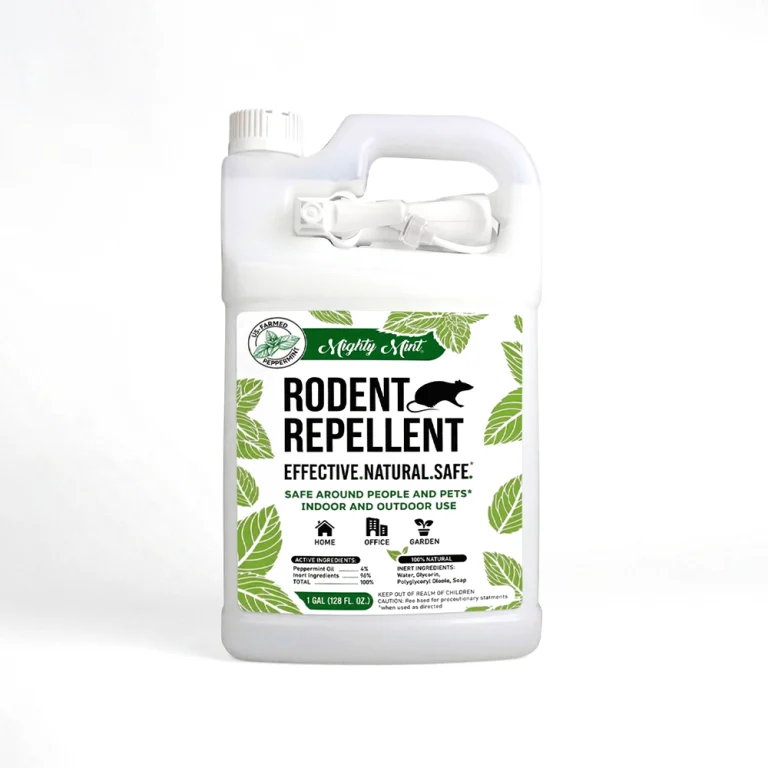
Mighty Mint (owned by Eco Defense) specializes in plant-based, non-toxic pest control. Their active ingredient is primarily high-concentration peppermint oil.
Unlike many generic white-label products flooding the market with diluted formulas, they focus on consistent ingredient sourcing and transparent usage guidelines.
The company positions the spray clearly as a preventative deterrent rather than a complete extermination solution. This level of marketing honesty is rare in the pest control sector and aligns with the realistic expectations of what essential oil repellents can actually achieve.
Our Lab’s Raw Unboxing & Burn-In
Our testing protocol was straightforward and brutal, designed to move past marketing claims and see how the formula holds up in reality. We maintained continuous deployment for over 90 days across four distinct environments managed by our Home and Outdoor teams.
The first test site was a suburban garage prone to field mouse incursions in the fall. The second was a garden shed storing bird seed—a massive, known attractant. The third was along the damp, cool perimeter of a cabin’s crawl space. The fourth, and perhaps most critical for testing practical value, was the engine bay of an RV in winter storage. We specifically wanted to test its ability to prevent the nightmare scenario where rodents chew through vehicle wiring harnesses, a problem that routinely costs hundreds of dollars to fix.
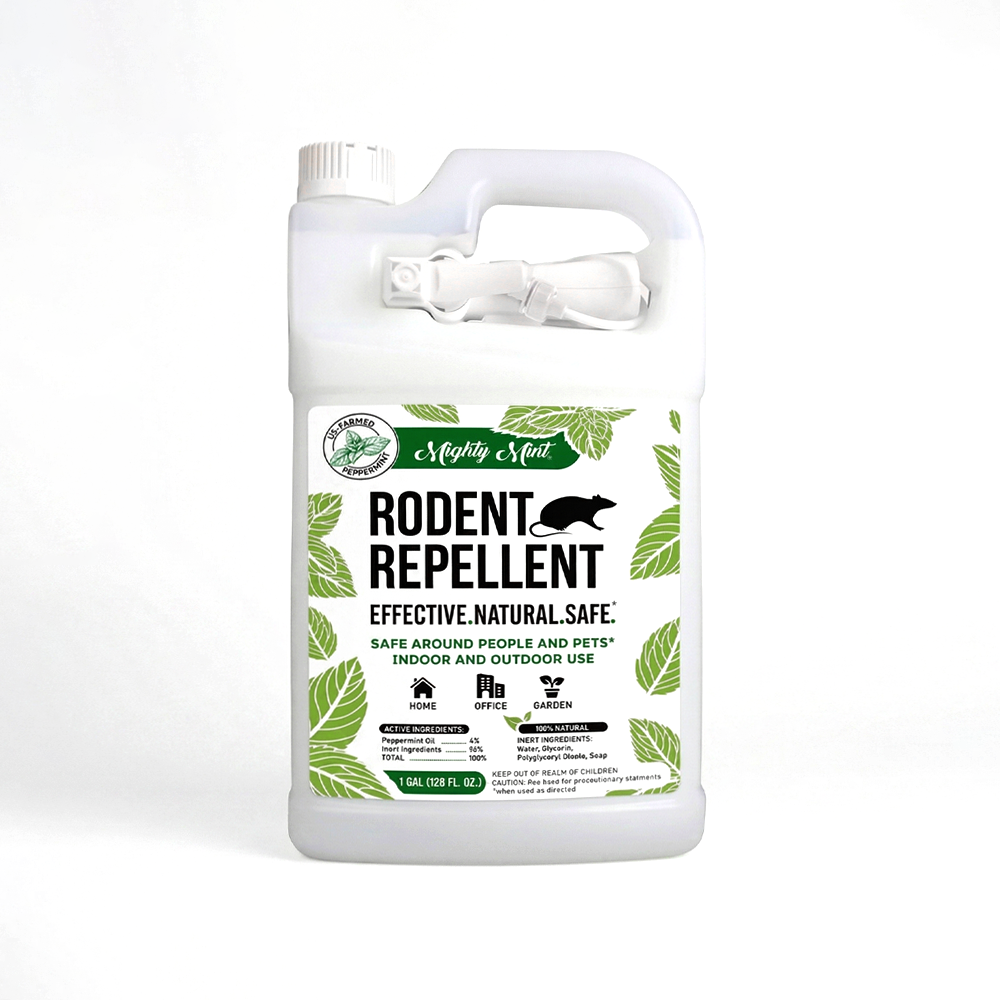
The physical hardware of the product is simple but effective. We tested the massive 1-Gallon (128 oz) jug, and the included pump sprayer mechanism feels robust. It never clogged during our 90-day test, allowing for an even distribution of the liquid.
The initial testing period required patience. We observed no dramatic, instant results in the first 48 hours, which is typically where cheap products fail by promising immediate miracles. Instead, we carefully monitored for the absence of new activity—checking for fresh droppings or chewed nesting materials over several weeks.
The core reliability test came down to formulation consistency: did the mint scent remain potent enough to act as a barrier through fluctuating temperatures and varying airflow? The answer was yes, but with some specific caveats regarding maintenance.
Why We Almost Threw It
Expecting a gallon-sized spray that costs a few dozen dollars to act like a professional, lethal exterminator is a recipe for disappointment.
During our field tests, Mighty Mint revealed some glaring operational realities that nearly had us reaching for the traditional, messy snap traps.
If you’re going to rely on this botanical formula, you need to understand its specific compromises first.
1. The Repellent vs. Extermination Reality
The most significant limitation is its fundamental mode of action: it functions purely as a sensory repellent rather than an eradicator. If you have a dozen mice actively nesting and breeding in your walls, spraying mint oil on the baseboards is akin to trying to stop a flood with a paper towel.
This limitation caused immense frustration when we first tested it against an established, bold population in the garden shed.
To use this product effectively, you must treat it as a perimeter defense and maintenance tool after you’ve eliminated an existing infestation using traps or professional services. It excels at making an area inhospitable so cleared spaces remain unoccupied, which is ultimately the more valuable, long-term battle.
2. Maintenance and Reapplication
The scent barrier fades over time and requires strict, consistent reapplication, especially in high-airflow, porous, or outdoor-adjacent areas.
In our open garage and shed tests, we found that we needed to re-spray the perimeter every 7 to 10 days to maintain an effective deterrent level. This is absolutely not a “fire-and-forget” solution.
Managing this requires setting realistic expectations and building a physical routine. Think of it like watering a high-maintenance plant.
Scheduling a quick 5-minute respray every week or two as part of your standard home maintenance is the necessary trade-off for utilizing a 100% non-toxic, pet-safe formula.
The engineers clearly prioritized safety and ingredient purity over the use of long-lasting, toxic synthetic binding agents.
3. Managing the Pungent Aroma
The high concentration of peppermint oil is undeniably powerful and can heavily permeate a confined space. In our small storage areas, the initial application created an intense, eye-watering aroma that some users might find overwhelming or slightly irritating.
You can mitigate this issue through targeted, strategic application. You do not need to drench an entire room.
Applying it specifically to entry points, under heavy appliances, and into wall voids contains the scent to the rodent’s runway, rather than your primary living space.
This focused application technique is more effective for deterrence and minimizes the sensory impact on humans.
The One Feature That Changed Our Minds
What ultimately won us over—and what separates this from the rest of the pest control aisle—is its uncompromising safety profile for use around children, pets, and food prep areas.
Contrast this spray with the daily anxiety of setting sensitive snap traps (a grisly reset chore and a toe-breaking hazard), the terrifying toxicity of traditional bait poisons (which carry secondary poisoning risks for dogs and cats, and lead to hidden, rotting carcasses), or the agonizing physical side effects of electronic ultrasonic repellents.
This specific feature solves a massive, highly emotional pain point. Homeowners desperately want to protect their property without introducing new, potentially lethal dangers to their families.
It transforms the product from a basic utility item into an essential tool for peace of mind. You can confidently spray it along kitchen cabinet kickboards, near pet bedding, or around your RV’s engine block without a second thought.
In a market filled with risky, toxic, or cruel options, this safe efficacy is exactly what many consumers are looking for.
The Showdown: Competitors
| Feature | Mighty Mint Rodent Repellent Spray | Bell+Howell Ultrasonic Repeller | Snap-E Mouse Traps |
| Price | $$ | $ | $ |
| The Trade-Off | High initial volume cost, requires bi-weekly reapplication to maintain the sensory barrier. | Not a scientifically reliable method. High-frequency noise can cause severe ear ringing, fullness, and skyrocketing anxiety in humans. | Effective lethal kill, but gruesome to clean, requires resetting, and poses a physical hazard to kids and pets. |
| Our Verdict | (Highly Recommended) The best choice for safe, proactive prevention. | (Not Recommended) Way too many physical side effects for highly questionable efficacy. | (Effective but Messy) Necessary for active infestation control, but poor for long-term prevention. |
| Link | [Check Price] | [Check Price] | [Check Price] |
FAQ: Questions From Our Lab Notes
Can I use it in my car or RV engine bay? Will it damage rubber hoses?
This is a massive concern for vehicle owners. Common complaints about generic, chemical-heavy rodent sprays include permanent staining, the degradation of rubber hoses and wiring jackets, and unwanted chemical scents entering the cabin. Because Mighty Mint utilizes a water-based, plant-derived formula, we found it completely safe for under-hood plastics and sensitive wire casings.
Crucial tip: Do not spray it directly into or near your vehicle’s exterior air intake vents (usually near the windshield wipers), or the potent mint scent will be forcefully blasted into your cabin the moment you turn on the AC or heater.
Will this work on rats, or just mice?
While the label formulates it for both, our research indicates that peppermint oil is generally far less effective against rats than mice. Rats are significantly larger, bolder, and much harder to deter with scent alone. If you are dealing with a rat problem, this spray should only serve as a minor secondary measure within a much more aggressive, multi-layered pest control strategy.
Is the smell overpowering?
The initial spray is quite potent, but the scent profile mellows significantly within a few hours, settling into a fresh, clean mint aroma. By applying it selectively to target areas rather than broadcasting it, you can easily avoid overwhelming your living space.
How often do I really need to reapply it?
For interior, climate-controlled, low-traffic areas, every 2-3 weeks is sufficient. For garages, sheds, engine bays, or exterior entry points, plan on a weekly touch-up, especially after heavy cleaning or if you notice the scent has entirely faded.
Is it safe to spray directly on surfaces? Will it damage wood or finishes?
The formula is water-based and plant-derived. We tested it on sealed wood, concrete, and PVC with absolutely no discoloration or structural damage. However, as with any liquid product, we strongly recommend testing a small, inconspicuous area first, especially on delicate, antique, or unsealed surfaces.
What happens if it gets on my skin or my pet licks it?
The ingredients are naturally derived and non-toxic. Direct skin contact may cause a mild, temporary cooling sensation due to the high peppermint oil content. If ingested in small amounts by a curious pet, it is highly unlikely to cause harm beyond a possibly mild upset stomach. However, as always, consult your veterinarian if you have specific health concerns about your animal.
Final Verdict: The “DontPickIt” Score
Don’t Pick It If:
You are currently battling a severe, active rodent infestation inside your walls and need immediate, lethal eradication. It will not solve an existing crisis.
Pick It If:
You value a safe, non-toxic, and highly effective first line of defense for preventing future rodent problems, or for protecting your home and vehicles after an extermination has been completed.
It easily justifies its cost by solving the critical problem of protection without introducing toxic chemicals to your family or pets. The minor compromise of regular reapplication is a trivial trade-off for the safety it provides.
The real value of this spray becomes apparent the next time you open your garden shed or pop your vehicle’s hood after a long winter storage. Knowing that instead of finding a $600 wiring repair bill and a nasty, chewed-up nest, you are greeted only by a crisp, clean mint scent—that is what this bottle actually provides: proactive defense for your property, and absolute peace of mind for you.
[FINAL CHANCE: CHECK LATEST PRICE]
Meet the Team
DontPickIt Home Lab
“Your home is a complex ecosystem. We analyze everything that plugs in, turns on, or helps you relax. From mastering your indoor climate to automating your kitchen and cleaning routines, we test products against dust, hard water, and daily chaos. Our goal: finding tools that solve problems without creating new ones.”
Kidde vs First Alert (2026): Which CO & Gas Detector Should You Buy?
Best Dehumidifier for Basement (2026): 5 Tested for Damp, Musty & Wet Spaces
Best Gas Leak Detector for Home (2026): 4 Tested & Compared
Home Safety & Air Quality: What Most Homes Get Wrong
FRESKO V8 Automatic Vacuum Sealer Review 2026: 3 Reasons We Almost Returned It
TIGERKING Heavy Duty Security Home Safe Review 2026: Why We Almost Threw It
Antarctic Star Ice Maker Machine Countertop Review 2026
Kidde KN-COEG-3 Review 2026: CO & Explosive Gas Detector Tested
Mighty Mint Rodent Repellent Spray Review 2026: Why We Almost Threw It

SwitchBot WiFi Water Leak Detector Review 2026: The $10,000 Mistake?
Gas Detector Placement Height: Where to Install CO & Explosive Gas Alarms (2026)
NICGOL 4-in-1 Gas Detector Review 2026: DO NOT BUY
Silonn Nugget Ice Maker Review (2026): Is the Noise Worth It?
Honeywell HCM-350B Humidifiers Review 2026: Why We Almost Returned It
Levoit Core 300 Air Purifiers (2026): The Sound That Might Break You

Best Air Purifier for Allergies, Mold & VOCs: 3 Tested (2026)
Ultrasonic vs Evaporative Humidifiers Guide (2026): Which Is Safer?
How to Choose a Dehumidifier (2026): Stop Mold, Moisture & Marketing Hype
Humidifier vs Dehumidifier vs Air Purifier (2026): How to Choose the Right One