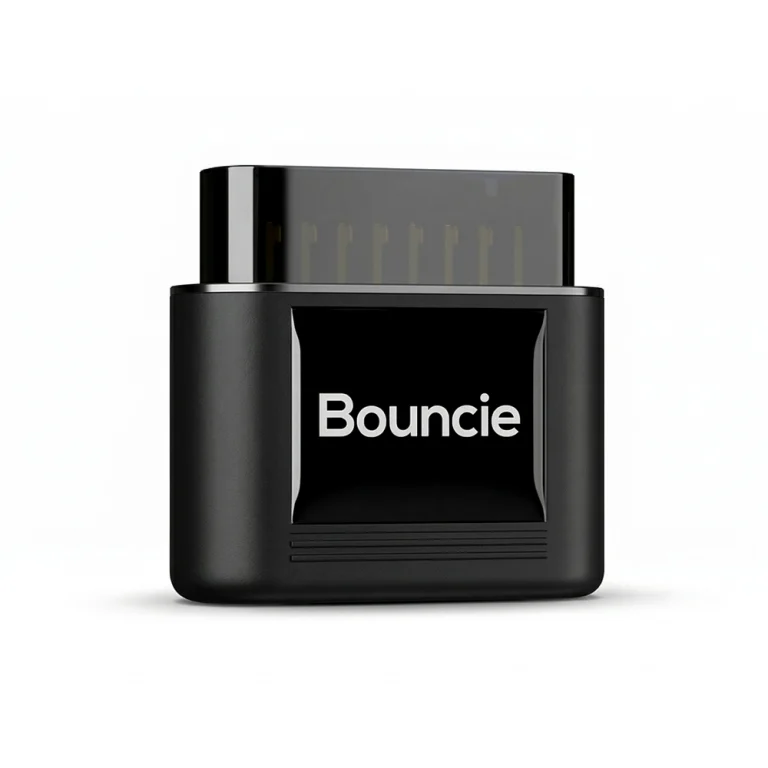
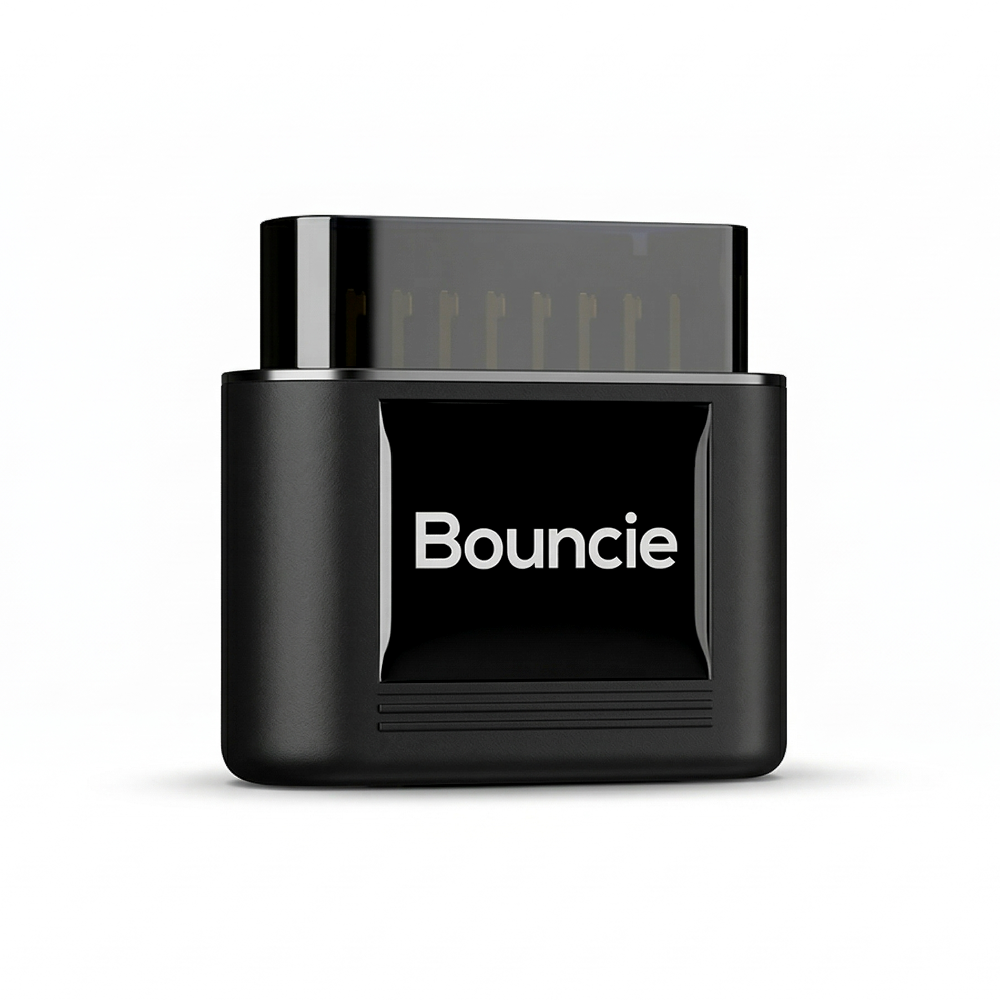
Bouncie GPS Tracker for Vehicles Review 2026: Why We Almost Unplugged It
Disclaimer: DontPickIt is reader-supported. When you buy through links on our site, we may earn an affiliate commission at no extra cost to you. We evaluate gear based on real-world performance to help you avoid bad tech.
30-Second Verdict:
Stop. If you need professional-grade, hardwired fleet tracking with advanced geofencing, or if you expect a covert device that works when the car is turned off and towed.
Proceed if you want a highly polished, plug-and-play solution for monitoring teen drivers or a personal vehicle, bridging the gap between real-time location and basic engine diagnostics.
| Performance & Accuracy | 22/25 |
| Reliability & Durability | 20/25 |
| Ease of Use & Cleaning | 19/20 |
| Design & Safety | 13/15 |
| Price-to-Performance | 14/15 |
| Value Index | 88/100 |
Curious how each product earns its score? Explore the complete breakdown of the dontpickit.com Value Index—including category weights and scoring criteria—in our scoring guidelines.
Is Bouncie a Reliable Brand?
Bouncie is manufactured by Tail Light LLC, a technology company based in Dallas, Texas, that has been operating in the connected-car space since 2017.
In a tracking market saturated with generic, white-labeled OBD dongles running on poorly translated third-party applications, Bouncie takes a closed-loop approach by designing both its hardware and software in-house. From an objective standpoint, it is strictly a consumer and light-commercial brand. It does not possess the ruggedized hardware or complex dispatch algorithms found in enterprise telematics (like Samsara or Geotab), but it offers a significantly more stable and consistently updated software ecosystem than typical budget trackers found on Amazon.
Our Lab’s Raw Unboxing & Burn-In
We installed the Bouncie unit in three different vehicles: a daily commuter sedan, a family SUV used by a new driver, and a rarely-used classic car. The setup is famously simple—plug the OBD-II dongle into the port (typically under the dashboard), download the app, and pair. Within 90 seconds, we had a live map.
For the next four months, it experienced cross-country road trips, daily school runs, and long periods of inactivity. The unit consistently reported location, speed, and diagnostic trouble codes over its 4G LTE connection without a single cellular dropout.
Why We Almost Unplugged It
No consumer device is perfect, and treating a budget plug-and-play tracker as a flawless security system is a mistake. During our initial testing phase, we encountered several physical and operational limitations that frustrated us. Understanding these hard engineering compromises is critical before you buy.
1. The Constant Flashing LED
While the device is active, a green LED indicator light blinks continuously to confirm its GPS and cellular connection status. From a pure UX design perspective, this is a glaring oversight. In a dark cabin at night—especially in smaller vehicles—this constant pulsing in the footwell is highly noticeable and can be distracting for the driver. Our lab’s workaround was applying a small piece of black electrical tape over the casing, which blocked the light without degrading the cellular signal, but you shouldn’t have to DIY a brand-new device.
2. It Goes to Sleep When the Engine is Off
To absolutely guarantee it never causes a parasitic drain on your car’s battery (which could leave you stranded in the morning), Bouncie is programmed to enter a deep sleep mode when the engine is off. It will send a quick location alert to your phone if it detects an impact while parked, but it does not provide continuous live routing when the ignition is dead. If you are evaluating this strictly as a hardcore anti-theft recovery device, this is a vulnerability compared to a hardwired, battery-backed system. However, for everyday tracking, it’s a necessary trade-off to protect your car’s battery life.
3. It Takes Up Your OBD-II Port
It occupies your vehicle’s OBD-II diagnostic port. While this means the tracker is visible rather than covert, it is a brilliant trade-off for a zero-installation device that draws stable power without requiring you to splice wires or void your vehicle’s warranty. For 95% of drivers who only touch their OBD-II port during an annual inspection or a trip to the mechanic, this is a complete non-issue. You simply unplug it when needed, and plug it back in when you’re done.
The One Feature That Changed Our Minds
What ultimately won us over—and why Bouncie remains our top consumer recommendation—is its seamless integration of GPS tracking with onboard diagnostic (OBD-II) data.
Most budget trackers are just “dumb” locators. They plug into the car’s brain (the OBD port) to steal power, but completely ignore the vital vehicle health data flowing through it.
Bouncie actually reads the data. During our evaluation, the app proactively flagged a pending “Check Engine” light (P0420 code – Catalytic Converter Efficiency) on our test vehicle two full days before the physical light illuminated on the dashboard.
For parents handing keys to a teen, it provides objective speed and hard-braking alerts without requiring you to hover. For everyday drivers, it demystifies sudden dashboard warnings before you ever step foot into a mechanic’s shop. This dual-purpose intelligence transforms it from a simple “dot on a map” into a proactive vehicle management tool.
The Showdown: Competitors
| Feature | Bouncie GPS Tracker | Vyncs GPS Tracker | Tracki GPS Tracker |
| Price | $$ | $$ | $ |
| The Trade-Off | Visible OBD-II design. Focuses on family utility over covert security. | Marketed as “No Monthly Fee”, but requires annual renewals. App can be complex. | Magnetic and covert with a 7-month battery, but lacks any engine diagnostics. |
| Our Verdict | (Highly Recommended) Best for families & early engine warnings. | (Good, but complex) Better for users who prefer upfront annual billing. | (Best for Covert Tracking) Ideal for long-term asset tracking without OBD limits. |
| Link | [Check Price] | [Check Price] | [Check Price] |
FAQ: Questions From Our Lab Notes
Does it drain my car battery when parked?
No. Because of the aggressive sleep-mode design mentioned earlier, it draws almost zero power when the ignition is off. In our four-month evaluation with a vehicle parked for two-week stretches, we observed no measurable battery drain.
Does Bouncie lock me into a long-term contract?
No. Unlike many dealership GPS systems or enterprise trackers that lock you into 1-year or 3-year agreements, Bouncie operates on a month-to-month subscription. You can cancel at any time without hidden termination fees, making it very low-risk to test out.
How accurate and frequent is the location data?
Very. During active routing, location updates occurred every 15 seconds while moving, pinpointing the vehicle within 10-15 feet. This is more than sufficient for monitoring routes, speeds, and arrival times.
What happens if I need my OBD-II port for a smog check or mechanic?
Simply unplug the Bouncie device. The app will show the vehicle as “offline” until you plug it back in. No settings or historical route data are lost. This takes 10 seconds and is a minor, infrequent inconvenience.
Does it work with any car made after 1996?
Virtually yes. Any vehicle with a standard OBD-II port (mandated in the US from 1996 onward) is compatible. We successfully ran it on a 2002, 2015, and 2021 model year vehicle without issue.
Final Verdict: The “DontPickIt” Score
Don’t Pick It If:
You require a hardwired, covert tracking solution for high-security applications or need advanced, customizable fleet management software.
Pick It If:
You seek an effortless, highly-polished way to gain peace of mind about a teen driver’s safety, monitor an elderly parent’s mobility, or add a layer of diagnostic awareness to your daily driver. Bouncie skips the buggy software typical of cheap trackers, offering a reliable fusion of GPS routing and vehicle health data that justifies the monthly cost.
Editor’s Note: We purchase our own products and test them in the DontPickIt Lab. This article contains affiliate links. If you buy through our links, we may earn a commission at no extra cost to you.
[FINAL CHANCE: CHECK LATEST PRICE]
Meet the Team
DontPickIt Tech Lab
“We act as the firewall between you and bad tech. From pocket-sized wearables to high-performance workstations, we strip down the specs to test for real-world battery life, connectivity stability, and build quality. Whether it’s for work or play, we ensure your gear lasts longer than the hype cycle.”